Adventure Travel
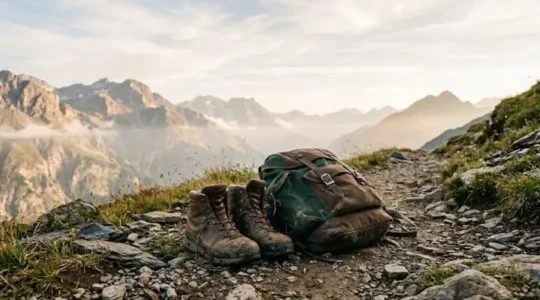
How to Build Your Adventure Gear Collection in Priority Order?
Building a capable adventure kit isn’t about a shopping list; it’s about engineering a system where your budget prioritises the foundational “chassis” (like boots and packs) over the situational “bodywork” (like expensive jackets). Your first and largest investments should secure…
Read more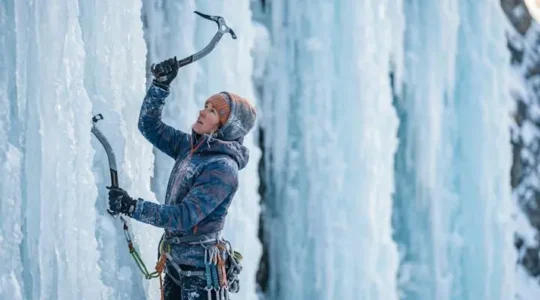
How to Learn Ice Climbing Fundamentals Before Tackling Frozen Waterfalls?
In summary: Rock climbing strength and technique do not directly transfer to ice; success requires systematically unlearning habits and rebuilding skills from the ground up. Mastery begins with footwork. Precise crampon placement and body positioning are more critical than upper-body…
Read more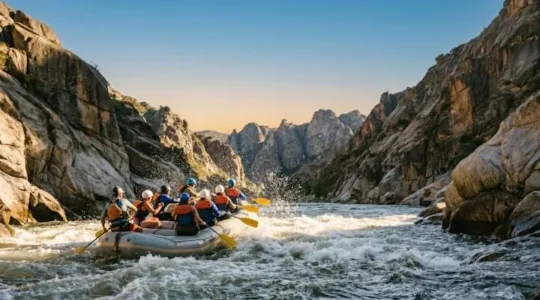
How to Choose Your First Whitewater Rafting Trip: A Pro Guide’s Advice on River Grades
In summary: River grades (I-VI) measure the consequences of a swim, not just the difficulty of paddling. Honestly assess your group’s fitness, appetite for thrills, and ability to stay calm under pressure before choosing a grade. For adventurous first-timers, a…
Read more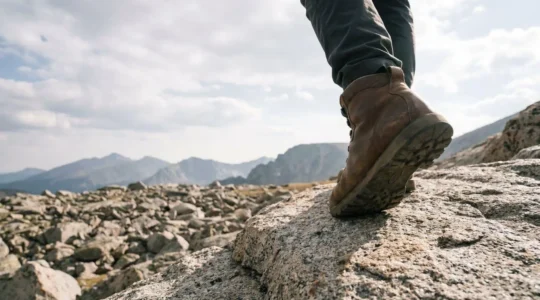
How to Select Trekking Boots for Rocky and Uneven Ground?
Investing in the right trekking boot is a critical safety decision, not a gear preference, because the structural integrity of your footwear is what stands between you and a catastrophic failure on technical terrain. Inexpensive foam midsoles invisibly collapse under…
Read more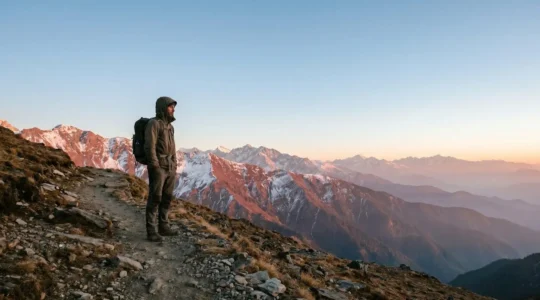
How to Acclimatise Properly When Ascending Above 4,000 Metres?
Contrary to popular belief, peak physical fitness does not grant immunity to altitude sickness; it can actively increase your risk by encouraging a dangerously fast ascent. The “Fitness Paradox” shows that highly fit individuals often ascend too quickly, leading to…
Read more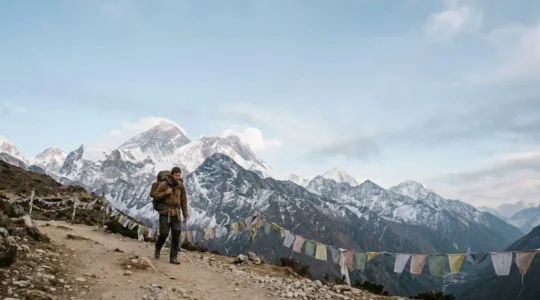
How to Build Up to Everest Base Camp With 3 Preparatory Treks?
In summary: Reaching Everest Base Camp is highly achievable for determined individuals, relying more on structured preparation and pacing than elite athleticism. The key to success is a “Trekking Pathway”—a progressive series of three preparatory hikes that build specific, trail-proven…
Read more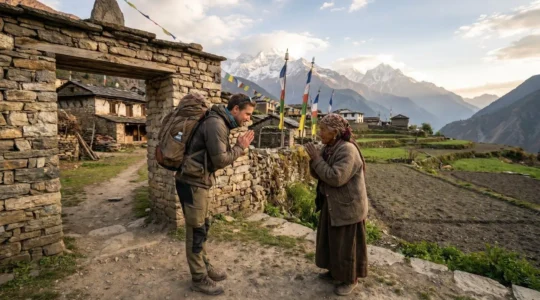
How to Interact Respectfully With Himalayan Communities During Treks?
True respect in the Himalayas is not a checklist of etiquette; it’s a conscious economic and cultural partnership that directly impacts local communities. Most tourist dollars “leak” away from local economies when using large, foreign-owned operators. Many “authentic” cultural experiences…
Read more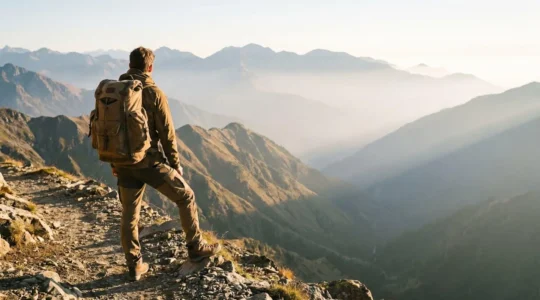
Why Does Day 3 Break Most First-Time Multi-Day Trekkers?
Hitting a “wall” on Day 3 of a trek isn’t a sign of poor fitness; it’s a symptom of a cumulative resource deficit. Minor, unaddressed shortfalls in energy, hydration, and sleep from the first 48 hours cascade into a system-wide…
Read more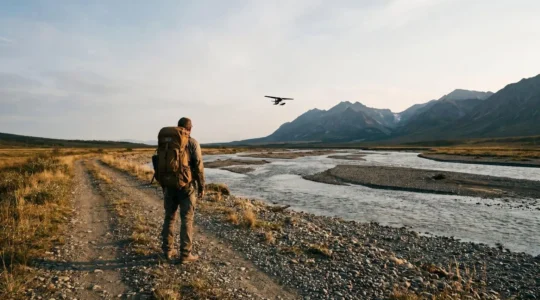
How to Plan Multi-Stage Journeys to Reach Destinations Without Road Access?
Planning a trip to a road-less destination is not about one master plan, but about mastering a sequence of interlocking logistical links. Deconstruct your journey into distinct transport, supply, and communication stages. For each stage, identify the single point of…
Read more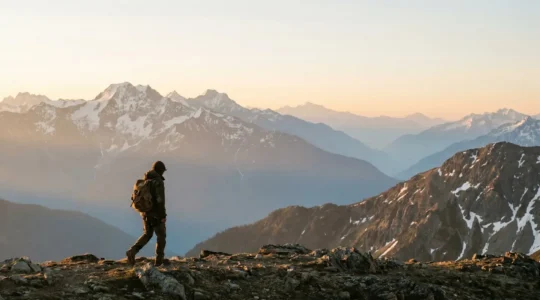
How to Train for High-Altitude Trekking in 12 Weeks From Your Living Room?
In summary: Generic gym fitness is not the same as being “trek-fit.” The key is building durability against multi-day stress. A 12-week at-home program focusing on loaded stair climbing, single-leg stability, and core work can effectively prepare you. The secret…
Read more