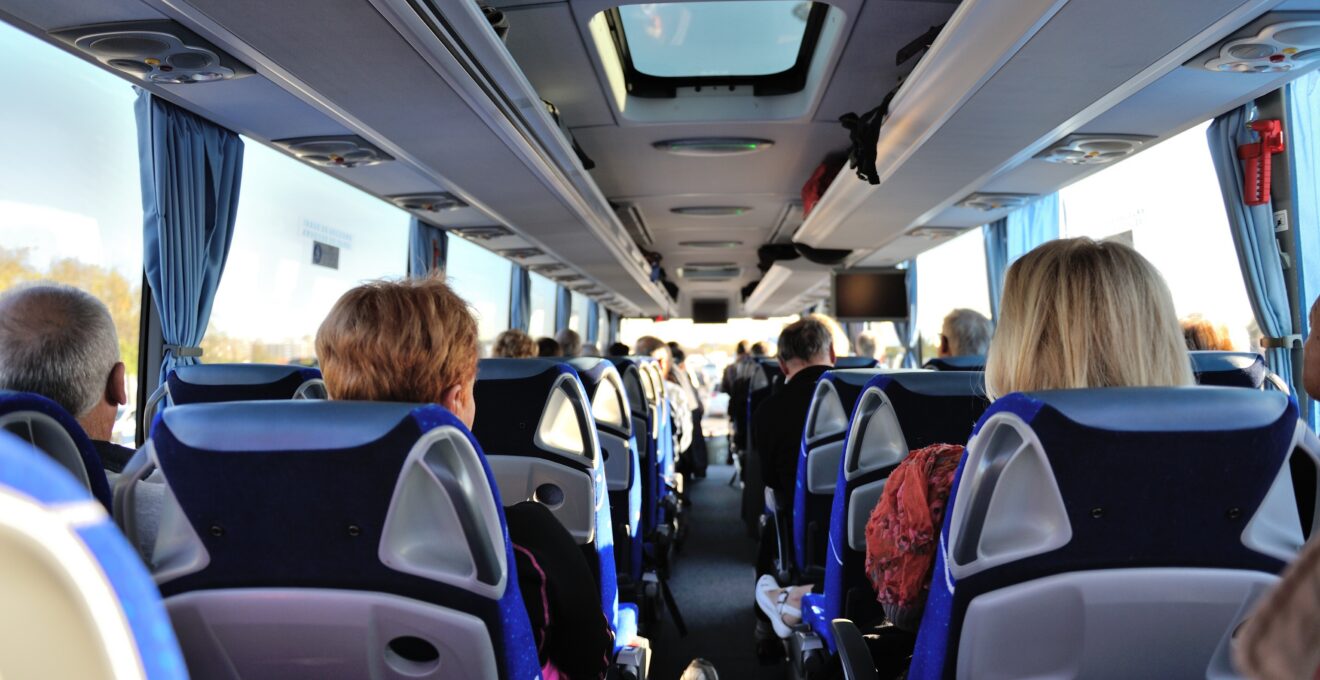
Picture this: your family lands in Florence, and instead of wrestling with car rental paperwork or deciphering Italian train schedules, you simply board an air-conditioned bus that connects every major Tuscan city you’ve dreamed of visiting. No hidden parking fees in medieval town centers, no stress about driving on the wrong side of unfamiliar roads, and certainly no €100+ fines for accidentally entering a restricted traffic zone.
That scenario isn’t wishful thinking. The Tuscany Travel Pass has quietly become the logistics lifeline for families who want to experience Florence’s art, Pisa’s iconic tower, Siena’s medieval charm, Lucca’s intact city walls, and San Gimignano’s hilltop towers without the usual transport headaches. With Tuscany recording a robust 5.9% increase in tourist arrivals during 2024 (according to the 2024 IRPET tourism report), more travelers are discovering that juggling multiple destinations requires smarter planning than simply renting a Fiat and hoping for the best.
The reality on the ground is clear: Italy’s limited traffic zones (ZTL) in historic centers have turned what used to be simple city-hopping into a minefield of €80–150 penalties for unauthorized vehicles. Parking lots near the Duomo or Piazza del Campo charge upwards of €25 per day, and that’s assuming you find a spot during peak summer season. Families are increasingly asking whether there’s a better way to string together Tuscany’s highlights without the financial and emotional toll of driving. The answer involves fixed bus routes, flexible validity periods, and a multilingual AI assistant that speaks your language when Italian fails you.
Your 60-Second Tuscany Pass Briefing:
- One pass covers Florence, Pisa, Siena, Lucca, and San Gimignano
- Validity options from 1 to 5 days (choose based on your itinerary pace)
- Two routes (Green and Terracotta) with fixed schedules and air-conditioned buses
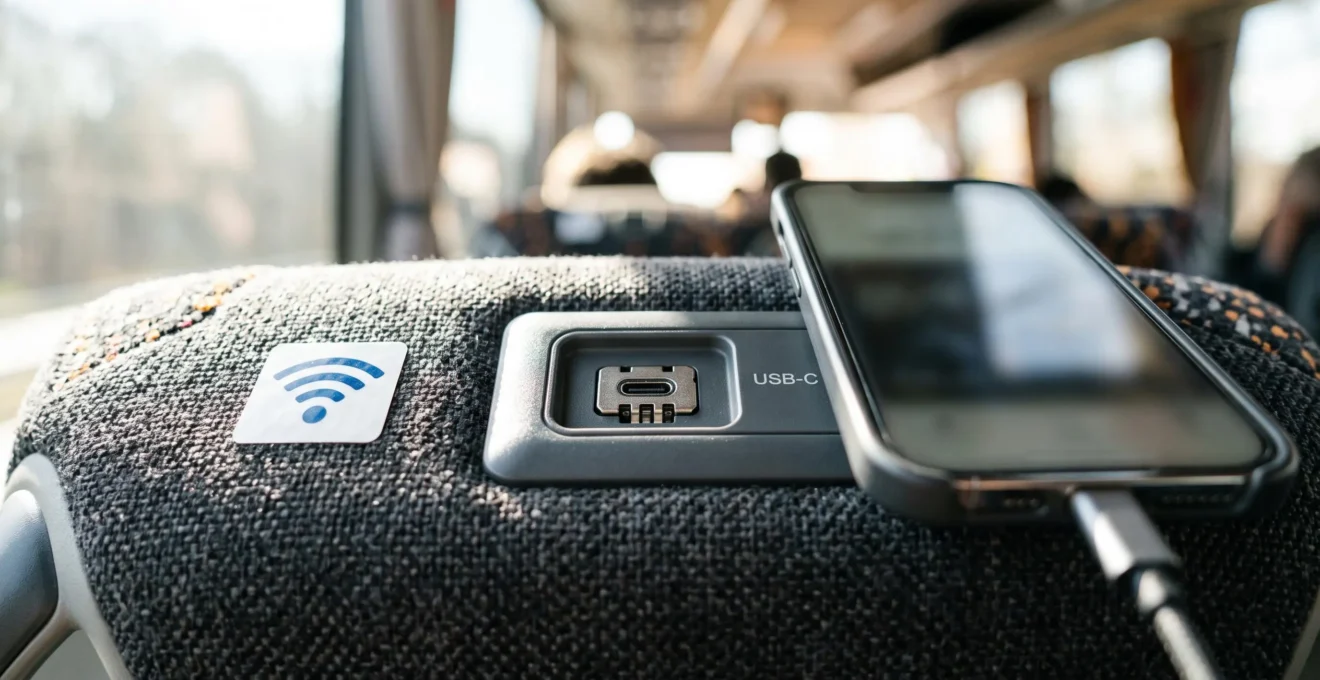
- Onboard Wi-Fi, USB-C charging, and multilingual AI assistant included
- Estimated savings versus car rental: avoid ZTL fines, parking fees, and fuel costs entirely
Maximizing Regional Connectivity with a Specialized Tuscany Travel Pass
Yes, the Tuscany Travel Pass provides access to all five major cities—Florence, Pisa, Siena, Lucca, and San Gimignano—with validity ranging from 1 to 5 days, eliminating the need for multiple tickets or car rentals.
The concept is refreshingly straightforward. You purchase a single pass valid for your chosen duration (one day for a quick sampler, three to five days for comprehensive coverage), and that pass grants you unlimited access to dedicated bus routes connecting Tuscany’s most-visited destinations.
What sets this system apart from generic hop-on-hop-off tourist buses is its regional scope. Most European city passes focus on single-destination loops (Florence’s historic center, for example). This network treats Tuscany’s major cities as interconnected stops on a regional circuit, recognizing that modern travelers rarely visit just one location. According to official Tuscany Regional Tourism Observatory data updated in February 2026, the region continues to draw multi-destination travelers seeking authentic experiences across several towns during a single trip.
Validity flexibility matters when you’re balancing cultural immersion with family stamina. A single-day pass works for travelers staying in Florence who want a quick Pisa excursion without overnight luggage. Three-day passes suit families planning a Thursday-to-Saturday circuit hitting Florence, Siena, and San Gimignano. Five-day options appeal to methodical travelers who prefer slower pacing, dedicating full days to each city with built-in buffer time for unexpected gelato breaks or museum queues.
Navigating the complexities of Italian traffic regulations requires more than a simple map; it demands a shift toward professional mobility solutions. Experts often suggest moving away from the burden of individual vehicle management to embrace structured, regional transportation. By utilizing specialized services such as those found at tootbus.com, travelers prioritize the cultural experience over the exhaustion of road navigation. This ensures that every transition between historic centers remains seamless, allowing visitors to focus on the rolling scenery rather than restrictive signage and unexpected penalties.
Strategic Route Planning: Navigating the Green and Terracotta Corridors
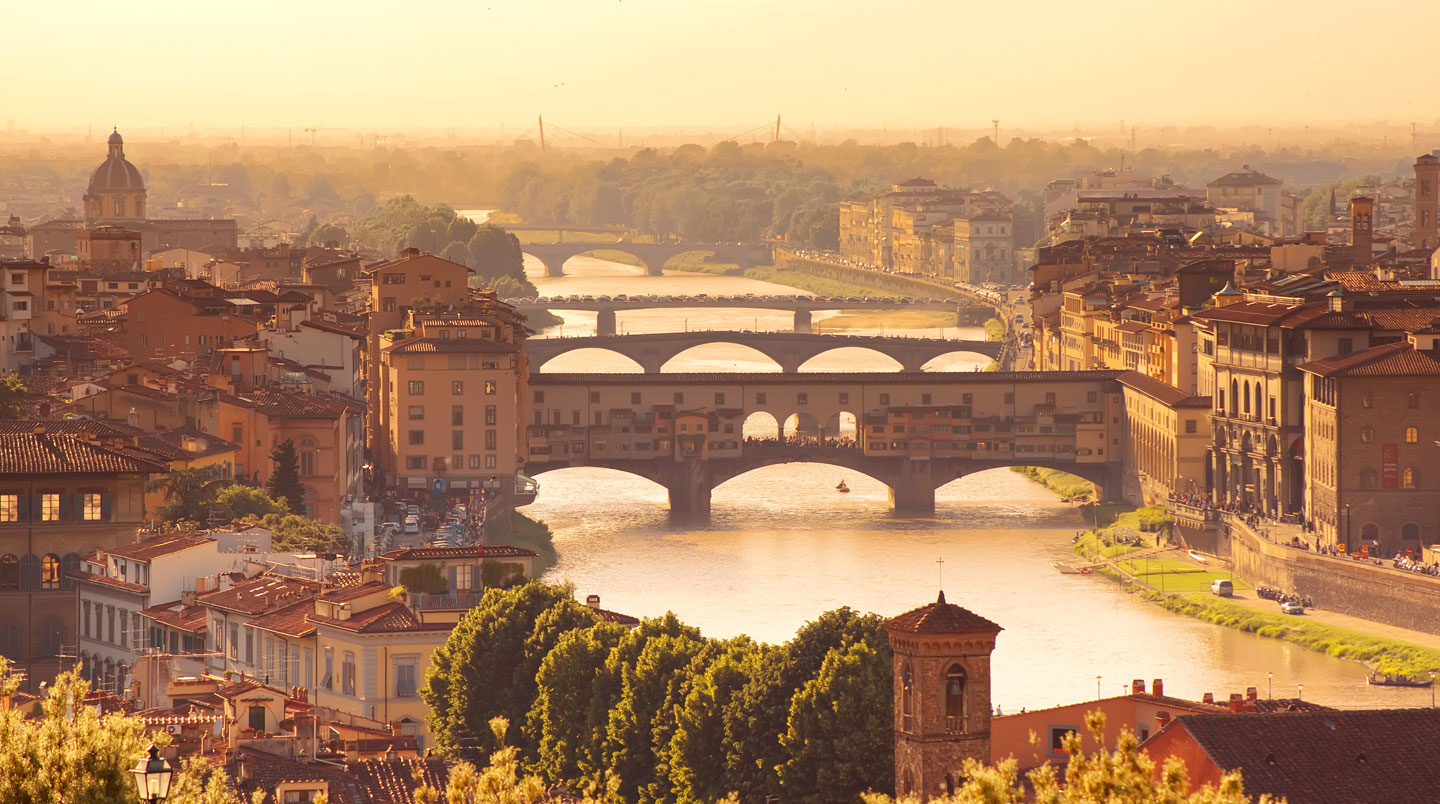
Tuscany’s geography presents a challenge: the region’s most celebrated cities don’t form a tidy circle. Florence sits northeast, Pisa hugs the coast to the west, Siena anchors the south-central hills, and smaller gems like Lucca and San Gimignano occupy their own distinct corners. The two-route system solves this by dividing coverage into logical corridors rather than forcing a single exhausting loop.
| Route | Cities Served | Typical Frequency | Key Highlights |
|---|---|---|---|
| Green | Florence, Pisa, Lucca | Every 60–90 min (verify current schedule) | Leaning Tower, Lucca’s medieval walls, Arno riverfront |
| Terracotta | Siena, San Gimignano, (Florence connection) | Every 90–120 min (verify current schedule) | Piazza del Campo, Medieval towers, Chianti countryside |
The Green Route: Florence, Pisa, and Lucca
The Green Route tackles Tuscany’s northwestern arc, linking the Renaissance capital with two cities that often get shortchanged in rushed itineraries. Florence serves as the natural hub (most international travelers arrive here first), with departures heading west toward Pisa approximately every sixty to ninety minutes during peak season. The journey typically takes around seventy to ninety minutes depending on traffic, though summer afternoon congestion near the Arno valley can stretch that window.
Pisa’s appeal extends beyond the famous tower. The Piazza dei Miracoli (Cathedral Square) clusters the tower, cathedral, baptistery, and monumental cemetery in a single walkable complex, making it ideal for families with limited energy reserves. From Pisa, the route continues north to Lucca, a less-touristy gem whose intact Renaissance-era walls now function as a four-kilometer elevated park encircling the historic center. Families rent bikes and pedal the flat circuit atop the walls, which beats dragging restless children through yet another museum.
The Terracotta Route: Siena, San Gimignano, and Beyond
The Terracotta Route serves Tuscany’s southern hill towns, where medieval architecture remains remarkably intact and modern development hasn’t encroached on postcard-perfect skylines. Siena, the route’s anchor, offers the Piazza del Campo—a sloping shell-shaped square that hosts the chaotic Palio horse race twice yearly. Even outside race season, the square functions as the city’s living room, with families sprawling on the brickwork while children chase pigeons and gelato drips onto centuries-old stone.
San Gimignano, roughly forty minutes southwest of Siena, earns its “Medieval Manhattan” nickname honestly. Fourteen stone towers (down from seventy-two in the city’s thirteenth-century heyday) jut skyward, remnants of feuding families competing to build the tallest status symbol. The town’s compact size and pedestrian-only center make it manageable for families, though the uphill cobblestone streets challenge anyone pushing a stroller. Both routes ultimately connect back to Florence, allowing travelers to mix and match cities across multiple days without backtracking or dead-end itineraries.
Why Families Ditch the Car Rental for a Stress-Free Pass
The instinct to rent a car makes sense on paper. You control departure times, make spontaneous vineyard detours, and avoid coordinating schedules around fixed bus routes. But Tuscany’s reality in 2026 systematically punishes that flexibility with financial and logistical penalties that most guidebooks downplay.
Start with ZTL zones (Zona a Traffico Limitato), Italy’s automated restricted-traffic areas in historic city centers. Florence, Siena, Pisa, and Lucca all enforce camera-monitored ZTL boundaries where unauthorized vehicles trigger automatic €80–150 fines per entry. Tourists driving rental cars routinely receive multiple violation notices weeks after returning home, forwarded by rental companies who add administrative fees atop the municipal penalties. The cameras don’t issue warnings, and GPS navigation apps rarely flag ZTL borders accurately, especially when boundaries shift based on time of day or day of week.
Parking compounds the problem. City-center lots near major attractions charge €20–35 per day when spaces exist at all during summer months. Families visiting Florence’s Uffizi Gallery for a three-hour morning might pay more for parking than for museum admission. Worse, many historic centers ban car access entirely, forcing visitors to park in distant suburban lots and shuttle in via local buses—negating the convenience that justified renting a car initially.
- Zero ZTL fines or parking fees (buses use designated routes and stops)
- Children entertained by onboard Wi-Fi; parents aren’t exhausted drivers
- Multilingual AI assistant eliminates navigation stress and language barriers
- Predictable costs with no surprise tolls, fuel expenses, or penalty notices
- Direct routes to city centers without parking space hunting
- Fixed bus schedules require planning around departure times (less spontaneity)
- Not ideal for travelers wanting remote countryside vineyard detours
- Requires coordinating itinerary around route coverage (five cities only)
- Less privacy compared to private vehicle
The most common mistake families make is underestimating driver fatigue. Tuscany’s secondary roads between cities twist through hills with aggressive local drivers tailgating rental cars doing the speed limit. After three hours navigating unfamiliar roads, deciphering Italian traffic signs, and mediating backseat arguments, the designated driver is too drained to enjoy the destination they worked so hard to reach. Passengers, meanwhile, feel guilty relaxing while one person shoulders all the stress.
Buses invert that dynamic. Parents can both engage with children, review museum maps, or simply watch Tuscan countryside roll past while someone else handles the driving. According to open-air tourism figures published by Florence Daily News in April 2026, families are a key driver of Tuscany’s sustained growth, with facilities increasingly catering to travelers seeking longer stays that balance cultural immersion with practical comfort. That trend reflects a broader shift: families prioritize stress reduction over theoretical flexibility, especially when “flexibility” often means unexpected fines and parking headaches.
Your 3-Day Itinerary Blueprint
Three days represents the sweet spot for first-time Tuscany visitors balancing breadth and depth. Here’s a practical framework that respects both route logistics and family energy levels, assuming a Friday arrival in Florence.
Day 1 (Friday): Florence Foundation. Spend your arrival day exploring Florence without inter-city travel. Hit the Uffizi Gallery or Accademia (book timed tickets weeks in advance to avoid three-hour queues), then wander the Duomo complex and Ponte Vecchio. Use this day to recover from travel fatigue and acclimate to Italian meal timing (lunch around 1 PM, dinner rarely before 8 PM).
Day 2 (Saturday): Green Route Loop. Catch an early Green Route departure (around 9 AM) to Pisa, arriving mid-morning before tour-bus crowds peak. Budget two hours for the Piazza dei Miracoli complex (yes, the tower photos your teenagers will mock you for, plus the genuinely impressive cathedral).
Day 3 (Sunday): Terracotta Highlights. Take the Terracotta Route to Siena, arriving late morning. The Piazza del Campo becomes your base: let children run laps on the sloping bricks while parents alternate museum visits and espresso breaks. After lunch, catch the next departure to San Gimignano for a two-to-three-hour wander among the towers and gelato shops before returning to Florence for a final dinner in the Oltrarno neighborhood.
- Purchase your pass (choose validity period based on itinerary scope)
- Check current Green and Terracotta route schedules for your specific travel dates
- Plan Day 1 departure time and locate nearest bus stop to your accommodation
- Pack USB-C charging cables for onboard device charging during longer routes
- Save offline maps for each city as backup navigation if mobile data proves spotty
- Book Uffizi or Accademia timed tickets well in advance to bypass queues
Can I store luggage on the bus if I’m changing hotels between cities?
Yes, bus touring coaches have dedicated luggage storage areas beneath the passenger cabin. For large suitcases, arrive at your departure stop early to secure space, especially during peak summer season (July through August when demand is highest).
Do children need separate tickets, or are they included in the adult pass?
Children typically require separate tickets, though discounted rates often apply based on age brackets. Verify current child pricing and any family package deals on the official website, as policies may vary seasonally.
What happens if I miss my scheduled bus departure?
With a multi-day pass, simply board the next scheduled bus on your chosen route. Check the mobile app for real-time departure updates and vehicle capacity information to avoid unnecessary waiting at the stop.
Is the pass refundable if my travel plans change?
Refund policies vary depending on pass type and purchase timing. Check the terms and conditions at purchase, as some passes offer flexibility (cancellation up to twenty-four or forty-eight hours before first use) while others may be non-refundable.
How crowded are the buses during peak tourist season (June through August)?
Summer months see higher demand, particularly on the Green Route between Florence and Pisa. Book morning departures for popular routes to secure comfortable seating, and consider weekday travel when possible to avoid weekend crowds.
What to Remember Before You Book
- The pass eliminates ZTL fines and parking fees that routinely surprise car renters weeks after returning home
- Fixed schedules require planning but reward you with stress-free travel where both parents can relax